

Spring 2026 

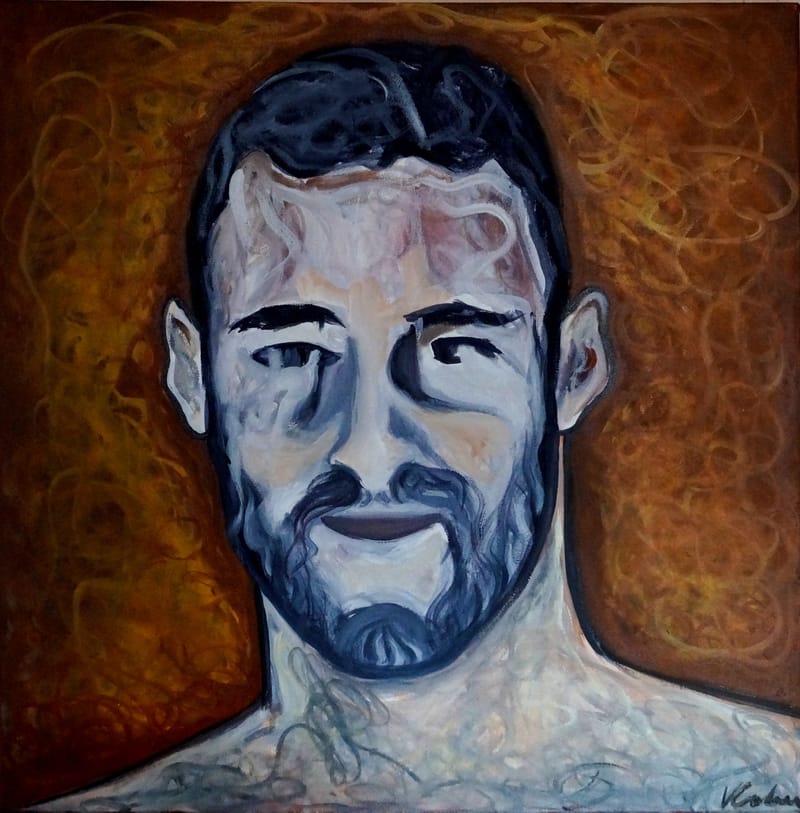
Matthew Walton - Managing Editor

Divergents is proud to welcome Matthew Walton as Managing Editor. 

A graduate student in social work at the University of Maine, Mathew is committed to equity and systemic change. His work is grounded in the belief that stories, especially those shaped by neurodivergent experiences, have the power to disrupt stigma and redefine what it means to belong. As an editor, he is focused on preserving the writer’s voice while helping their message land with impact.
Big Reactions by Karen Stewart
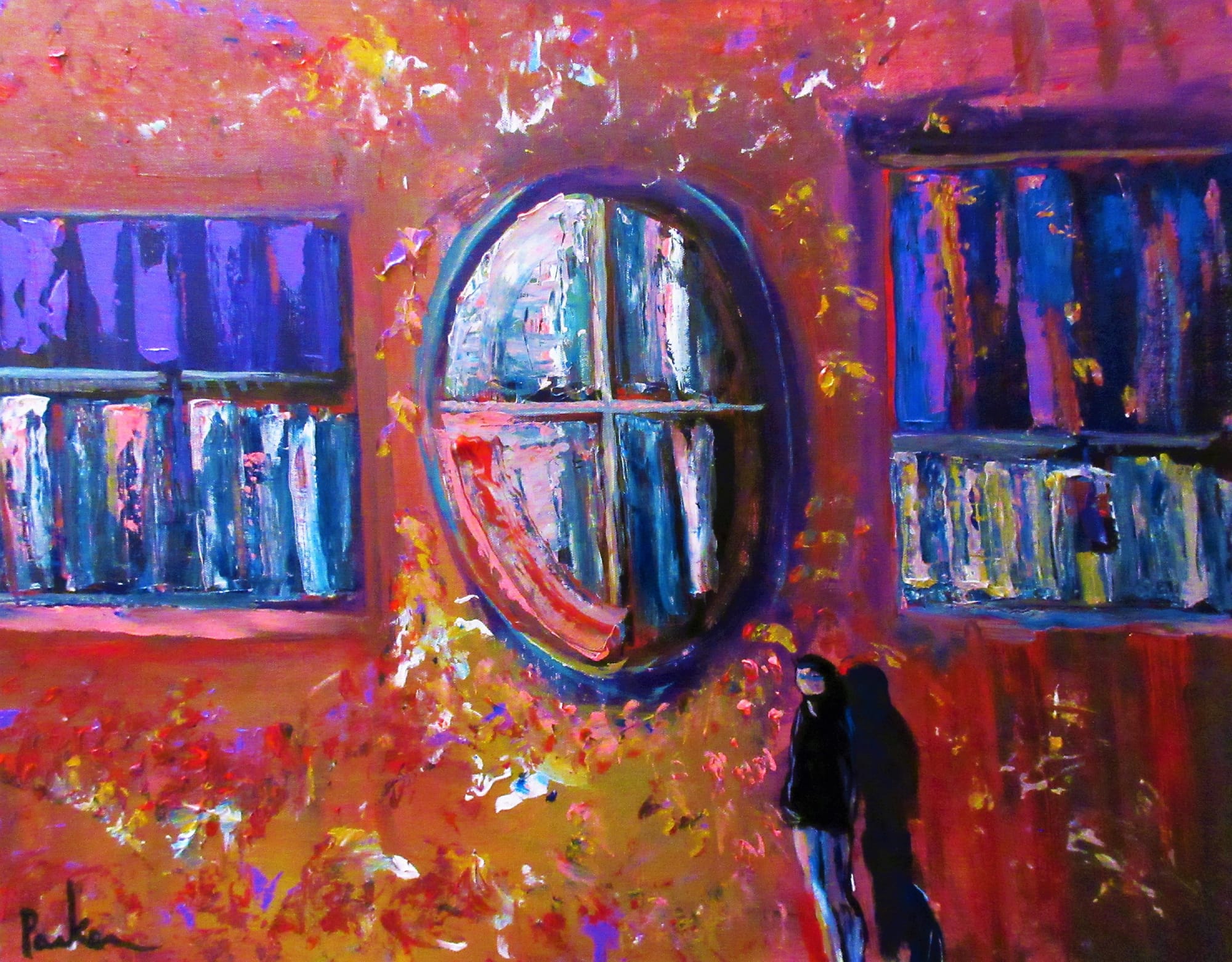
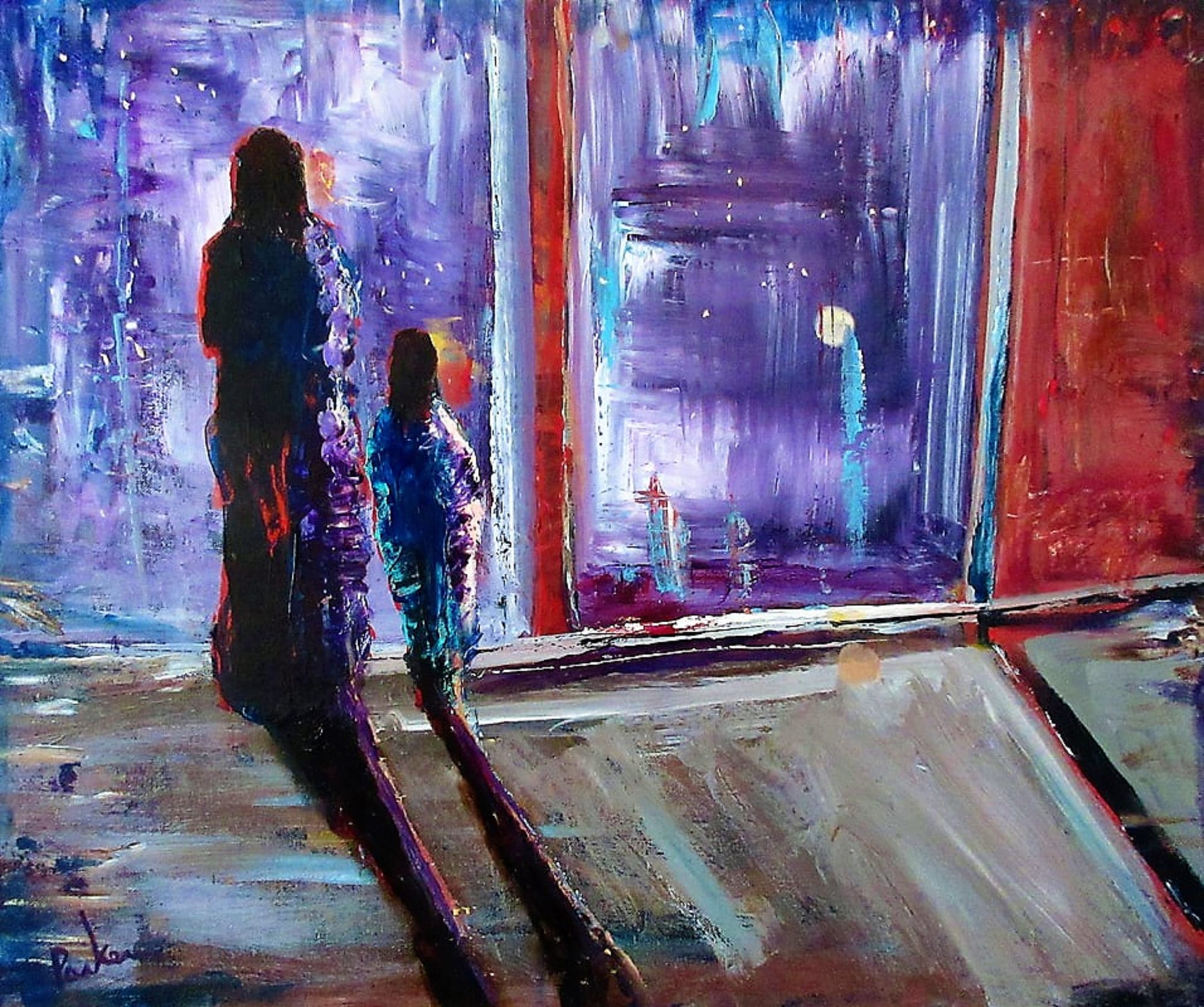
image by Lindsay Wilson 

The family stood around the timber dining table where Logan was seated behind a cake aglow with candles. Their poorly sung rendition of the birthday song finished with hoorahs, and, on cue, Logan blew out the many candles before grinning at everyone. 

‘Looks great, Mum. Thank you,’ Logan said while they both plucked the coloured candles from the cake. 

‘Logan, look out! You’re dripping wax all over the cake,’ she cried out. 

Logan immediately withdrew his hand and let his mother finish removing the remaining candles. He was always in trouble for something. He picked up the long-handled knife and raised it high to cut into the cake. 

    ‘Look out, Mum! Logan’s got a knife,’ called Caleb in a loud voice of mock warning.
    Logan shook his head slightly and rolled his eyes at his elder brother while his two younger sisters, Lily and Mia giggled.
    ‘Yeah, look out, Mum,’ added Lily.
    Mum removed the knife from Logan’s grasp, her lips pursed. Logan didn’t bother trying to retain the knife to cut his cake. He sighed. 
    ‘Every year, guys. Don’t you get tired of it after all these fucking years?’ Logan said.
    ‘Mum, Logan said the f word,’ Caleb said in a deliberately loud voice which replicated the dobbing chant of a child. 
    ‘Logan, don’t swear,’ Mum responded.
    Logan stuck his middle finger up at Caleb and pulled a face. Despite their age, the two brothers continued their childish behaviour.
    ‘Mum, Logan stuck up his rude finger at me,’ Caleb said loudly again.
    ‘Logan, don’t do that,’ Mum answered.
    ‘Remember that time Poppy put Logan in the bin?’ asked Lily.
    ‘Don’t do all this again, guys,’ said Logan.
    It was too late; Caleb regaled them with the years-old tale of their grandfather shoving mischievous Logan into their outdoor garbage bin and slamming the red lid shut, blocking out Logan’s screams. Caleb, Lily and Mia guffawed at the memory. Logan’s face was impassive as he heard the familiar taunts. There had become a family tradition that somebody’s birthday gave permission for childhood stories to be retold. Occasionally they were cute but, often, they weren’t. Mum looked briefly at Logan before hushing them all as she handed out pieces of cake.
    ‘So funny! Why were you screaming so badly? I can’t remember,’ Mia asked.
    ‘Because I’d just seen Poppy put a big fucking huntsman in the bin a few minutes before.’ Logan’s face conveyed the horror he’d felt as a child.
    Mum placed her hand on Logan’s shoulder and squeezed it.
    ‘Poppy shouldn’t have done that,’ she said firmly. ‘That’s not ok.’  
    Although twenty-six, Logan was still defending his childish self; having to parry the verbal blows of his siblings; having to pretend he could laugh at these memories. Logan’s occasional explosions were “big reactions” per his therapists. That was a very big reaction, Logan. Do you think it was too big? He’d spent group psychology sessions learning social cues. What is Lachlan’s face trying to tell you now, Logan? What clues were there, Logan, that Lachlan didn’t like what you did? 
    ‘Poppy has never quite understood Logan like he should,’ said Mum.
He knew his single mother had sacrificed an enormous amount of time and money to take him to his therapies. Logan would hear his mother shouting at his father about money and therapy attendance. I think you’re having some big feelings, Mum. Do you think there’s a better way to communicate your message, Mum? Big reactions were allowed after divorces.     ‘Whenever we went shopping, Logan would just run off,’ said Mia who was the youngest but always so perfectly behaved. She had been diagnosed with selective mutism, so there was no way she was having big reactions. Silence, sometimes for hours when things weren’t going well. It was so irritating. She had to have therapy too.
    ‘Always!’ Lily agreed, ‘We were constantly looking for him.’
    ‘It drove me crazy,’ said Mum, ‘I used to say that if I left the store with three out of the four of you, I was being awarded with a credit.’     
‘I wish we’d left him there, at least once; might have stopped him running off,’ Caleb said.    Logan felt as though he’d been slapped. His gut dropped in the familiar anxiety of childhood. Mum, I’ve got a funny tummy again. He’d forgotten that old saying about the credit mark, but he’d heard it so many times. He knew his mother loved him, so why this?  I would have a big reaction if you went home without me, Mum.
    ‘And when we’d be going out, he’d scream because he wasn’t ready,’ said Lily, giggling. 
    ‘Logan was never ready,’ added Mia.
    ‘Well, you’d scream too if you thought you were being left behind,’ said Logan.
    ‘We were never going to leave you behind,’ said Mum with a light chuckle.
    ‘How was I supposed to know that? I was an autistic ADHD kid watching everyone walk out the front door without me,’ said Logan.
    Mum’s brow furrowed in a frown. She started collecting the dirty plates into a pile on the table.
    ‘Yeah, an autistic kid who managed to get suspended from school on World Autism Day at just ten years old,’ laughed Caleb.
    ‘Fuck off, Caleb, ya deaf prick!’ Logan exploded and shot to his feet, ‘At least I don’t wear hearing aids like you and have ginger fucking hair!’
    Caleb simply threw his head back in laughter although Lily and Mia didn’t join him this time. Mum held her outstretched palms towards each of her sons. Logan’s face was flushed, and his usually handsome face was now curled into a snarl.
    ‘Hey, hey. Calm down, Logan. Caleb, stop it. You two need to both stop,’ Mum said.
    ‘I’m sick of this ginger fucker having a go at me!’ Logan shouted, ‘Let’s tease him. He was the one who had hearing aids, braces and glasses when he was at school. What a fucking dweeb!’ 
    Logan shoved the chair behind him, toppling it to the floor, as Caleb continued to laugh. Logan’s fists were clenched into fists at his side. Mum grasped his muscled forearm but Logan tossed it away with a firm flick.
    ‘Still can’t handle a joke, can you little brother,’ Caleb mocked.
    ‘Come on then, ranga! Think you can take me?’
    ‘Girls, take the plates to the kitchen and pack the dishwasher,’ said Mum, her voice was sharp. ‘Caleb, that’s enough. Get out!’
    Lily and Mia made a hasty exit with whatever they could hurriedly gather up from the table and Lily tried to drag Caleb with them towards the kitchen.
    ‘Get out, Caleb. Right now. This is meant to be a celebration,’ said Mum. ‘Logan, take a breath.’
    ‘If you tell me to do finger touching and have a glass of water, I’m walking out that door right now, Mum.’
    ‘No, just calm down and breathe.’
    Logan could still hear Caleb in the kitchen. He deserved a punch in that laughing, freckly face. You’ve let your angry monster escape again, Logan. Count to ten. Take a deep breath. Touch your fingers together. Have some water. Logan picked up his Heineken and gulped it down while Mum watched him closely. He took a deep breath and blew it out with puffed cheeks and picked up his chair, sitting on it, if only to stop further demands from his mother. 
    ‘Now, what happened there? Talk to me.’
    ‘Are you serious?’ Logan looked incredulously at his mother. ‘Do you not hear all that?’
    ‘Of course I do. It’s just silly teasing. When are you going to be able to laugh it off? You take it so seriously. You’re just like your father.’
    ‘Yeah, and you divorced him. You didn’t want him around. Is that how it is with me, then?’
    ‘Wait, what-,’ said Mum looking somewhat confused.
    ‘Laugh it off? You joke about being happy to leave the shops without me and just take the others. You’d say you’re leaving home without me and only take the others to the car. Poppy put me in the bin like a piece of garbage to throw away. And now you say I’m like Dad who you did throw away. How should I take all that? You’ve always said you’re my biggest advocate. So how am I meant to feel?’
    Logan hated the look on his mother’s face right now; he’d always hated that hurt face just before she cried. Have you got a funny tummy, Mum? Are you going to have a big reaction? Tears escaped Mum’s eyes, but she didn’t look away from Logan’s face. She took both Logan’s hands in hers and squeezed them hard. 
    ‘Oh fuck,’ she whispered.     Mum said the f word. That’s not her normal big reaction.
‘I am so sorry,’ she continued. ‘I didn’t even consider that you took those things literally. That you believed them. I am so, so sorry, Logan.’
‘Autism, Mum,’ Logan shook both her hands but in the gentle manner of a reminder.
‘Yeah. I thought I understood but...’ her voice trailed off as she cried. ‘Can I hug you?’
Logan brought her into an embrace as he was, for the first time, the comforter of his mother’s emotions. When Caleb’s face popped back into the dining room for a peek, Logan flipped him the bird behind his mother’s back. Caleb just grinned in response and ducked away. 
Universal Test Accessibility  Act
The U.T.A.A. - a law to ensure that those who grant professional certification are required to follow the principles of universal design.

Sec. 1. PURPOSE
The purpose of this act is to ensure that professional licensing examinations in Vermont evaluate competency rather than speed, ensuring fair access for all applicants, by mandating that all licensing exams have no fixed time limit.

Sec. 2. 26 U.T.A.A. chapter 1 (General Provisions) is amended to read:§ 103. LICENSING EXAMINATIONS; REMOVAL OF TIME LIMITS(a) Notwithstanding any provision of law to the contrary, all examinations for initial licensure, certification, or registration for any profession or occupation regulated under this title shall be administered without a fixed time limit.(b) An applicant shall be allowed as much time as necessary to complete any examination.(c) The Office of Professional Regulation and all boards attached to it shall revise their examination policies to ensure compliance with this section. 

Sec. 3. EFFECTIVE DATE
This act shall take effect on July 1, 2027.

Learn More https://www.divergents-magazine.org/articles/does-the-the-vermont-standards-board-for-professional-educators-vsbpe-violate-ada-title-ii?c=dispatches-from-the-field


“Brain Shame”: The New Body Shame

Sari Solden is the Author of Best Selling books including, "A Radical Guide for Women With ADHD." This post originally appeared on Solden's blog: https://www.adhdradicalguide.com/post/brain-shame-the-new-body-shame-by-sari-solden-ms

8 min read
0 Comments
Read More

by Kyra Chambers


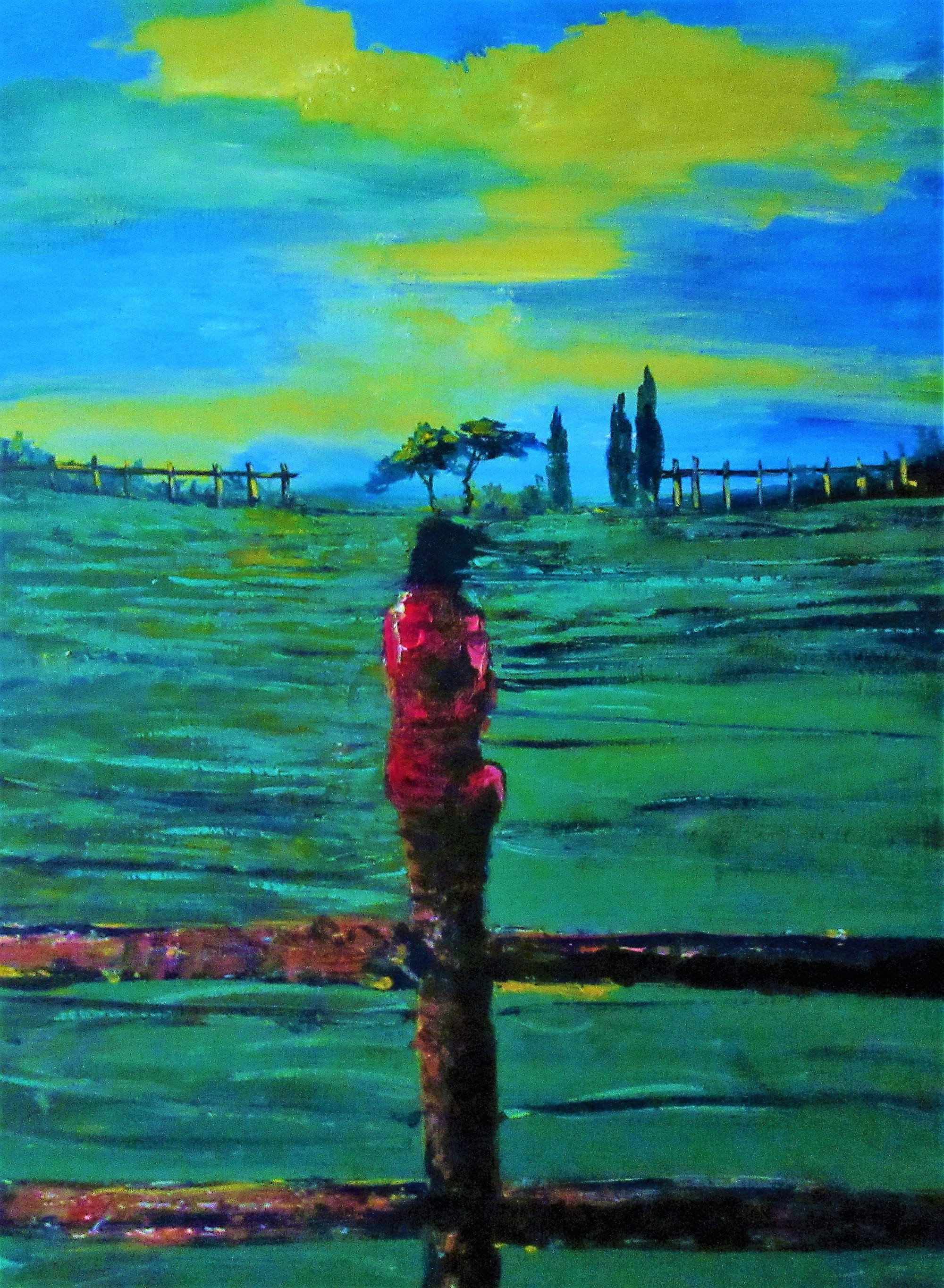
image by Lindsay Wilson Grief is normal. You need to feel sad that you did not get “normal.” It’s okay to wish that they were different, that your child was someone else. I have read these words in posts over and over in forums for parents of autistic children. Every time I do, my heart breaks a little bit more for all the children they are referring to. I am an autistic parent, diagnosed a day after my thirty-fourth birthday. I started to suspect that I may be autistic after I had my youngest son. From a very young age he showed a lot of sensory seeking behavior; after reading about sensory processing disorder and going down a wormhole into the wonderful world of neurodiversity, I found the autistic behaviors described in the articles and books described me completely. I had no idea until then. I have not had a remarkable life. I have lived many moments experienced by all humans, divergent and not . First love, heartbreak, marriage, children—all elements of what is considered a “normal” life, right? Many of you reading may be married, parents, family members, or perhaps just a person who reads these words and can see a life that has been lived with every nuance of emotion. Maybe you love the night, or dancing, or you were bullied at school for being different. There is nothing remarkable here. I have not had a quiet life. There were times of great joy, times of heart wrenching sorrow, days that seemed never ending, days that were a mere sigh but I wish had lasted a lifetime. The day I cried in the playground because I was called weird; the days I now embrace that I am unique, a multi-faceted glorious whirlwind of specialized knowledge; the days of dancing in my kitchen, singing, drinking in the wonders of clear moonlit nights when I am at my most free and I look at the stars and see immortality; the days as a child I ran free as a bird, loved and accepted by my family; and the days I have to hide in my bedroom for an hour because the overstimulation of two loud children, and televisions, and all the other noise that crests inside my head washes over the ability to cope physically and mentally; the wonderful day my fierce and passionate daughter was born; the day I married my husband, who is always forgiving of a wife who constantly loses things and cannot ever be on time; the day my youngest son was born, my shiny sun in nature as well as in name. This is not a life of grief. Like some of you reading this, I have experienced loss. The death of a grandparent, a great-grandparent, a friend, a work colleague. My first son—a child who now talks to me in the whisper of the wind and the drumming of the rain as I type this. An unexpected loss, we shared only thirty-two hours before it was time to let go. Years of love and memories to be made, stolen from us by chance. Eleven years, a lifetime and a single heartbeat in one. There is a part of me that forever will be missing holding the hand of a blonde boy with sapphire eyes and his mother’s nose. That pretty picture still does not change the depths of grief the soul plummets through when you make the decision to turn off the life support keeping your child in a semblance of life. To weigh the scales between what is futile hope and what is reality, what is selfish and what is right. Of living with survivor’s guilt, to think you killed your child. I look at my rainbow children and find joy, happiness, but also a taste of bittersweet regret as I watch a quiet miracle unfold; they play a game together and I look 6 inches above at the picture of my forever young son. A part of our family he will always be, but my days have always been a shade darker since the day I said goodbye. His was a life unfulfilled. To never feel a mother’s cuddle, a lover’s kiss, or to watch their grandchildren grow before them. Not even a first birthday. Is this not tragedy? After this, how can I not be pained when I read the words of parents who say they grieve the living, breathing existence of their children because they did not sign up for a disabled child? A child who is selectively mute and needs to use written communication. A child who struggles to contain their joy and who spins and shouts “too loudly,” or one who needs solitude and hides in their room away from all family and too much stimulation. A child who cries at the party they did not want, who is called selfish because they will not share a treasured best soft toy friend, who is struck into the cast of “that naughty kid.” For all their challenges, my children—and all the ones I read about in those forums—get to experience things my deceased child never will. The wind, the sun. Things he never knew or saw. Accept your children for the people they are. They have a lifetime to learn and love and you are one of the biggest influences in their lives. Fill their days with love and acceptance, with understanding and compassion. Listen to their voices and seek out other autistic people and truly listen. Listen to our songs of embracing ourselves, of positivity and encouraging the autistic self. We do not sing a dirge of intensive therapies to teach compliance and masking of the soul, that itself is a little death, hidden under quiet hands. Come and listen to our songs of support, of joy and color, with a depth of emotion and understanding that is in every single way just as nuanced and capable as every person reading these words. Save your grief and lamentation for the dead. For a life taken before due time, something lost and never regained. Life is joyous. A small hope or moment of light can be found even in the darkest of days. Celebrate your children’s lives while they are with you. Do not waste time with shame and regret when they are right there. Trust me when I say every moment is a gift.

Elegy for Gary Partridge
5 min read
0 Comments

Elegy for Gary Partridge

I wrote this during my creative writing group at the prison, and I got fired for reading it. - publisher.

Read More  
Elegy for Gary Partridge
5 min read
0 Comments

Elegy for Gary Partridge

I wrote this during my creative writing group at the prison, and I got fired for reading it. - publisher.

Read More  
The Laurinburg  Institute
Leon Rice

"The Laurinburg Institute taught me how to live and thrive in America while being black."

At the turn of the last century, education was not readily accessible to African Americans. Public schools were not open for blacks in the south, for many reasons—share cropping, black codes, and the fact that America was just 41 years out of slavery. The farm owners did not want educated African Americans; they wanted fieldhands to pick crops. It did not make economic sense to the land owners, who preferred to keep the workers illiterate. If members of the black community wanted an education, they’d have to do it for themselves.

In 1904, Emmanuel And Tinny McDuffie came from Alabama by foot to Laurinburg, North Carolina to start a school for the black community. This came about through the request of a local businessman, W.P. Evans, who wrote to Booker T. Washington at the Tuskegee Institute asking for help to educate the growing black population of his town. Tuskegee had no one available to help and turned to Mr. William Edwards at Snow Hill Academy in Alabama for a recommendation. He nominated the McDuffies, recent graduates of Snow Hill, who readily agreed to go to North Carolina. When they got to Laurinburg, the McDuffies and the Laurinburg community founded and built the school on a small parcel of swampland. With 15 cents in the treasury and its first student starting in September of ‘04, Laurinburg Institute was born.

Laurinburg was one of more than 100 black boarding schools along the east coast and in the deep south. Today only a few still survive. Nevertheless, schools like Laurinburg Institute—or Piney Woods in Mississippi—are needed now, maybe more than ever. They are life saving institutions for many young black men and women coming from the inner cities and poor rural areas of America. One only needs to look at what’s happening in black America today to see why.
In 1954, thanks to the Supreme Court, desegregation in public schools became the law of the land. School systems suddenly needed to accommodate many more students, and found they were in need of new buildings. In Scotland County, where Laurinburg was, officials asked the McDuffie family to transfer the school over to the county so they could avoid having to put up a new brick building. The McDuffie family had the sense to refuse the request, and the county threatened to shut the school down. The institute was moved, brick by brick, to where it stands today, in order to escape further troubles.

There are many prep schools in every population center in the US, but very few prepare students the way Laurinburg Institute does. The Institute teaches the whole person, explicitly teaching the skills you need to navigate the majority culture as well as academic skills and athletic skills you find at most prep schools.. They teach you how to carry yourself as an African American and be successful in life well after your high school days are gone.
Not many secondary schools teach young black men how to handle adversity and setbacks as stepping stones to get to their goals. Laurinburg’s motto is “Deeds not Words”—students learn to assess, adapt, and overcome the many challenges that young black men and women face. I remember seeing kids come to Laurinburg Institute as weak students, struggling academically, and with a poor sense of themselves in the world. The faculty would work with students one-on-one to get them up to speed. They were doing this long before all the advances for students with learning differences came along. Their model was to take each student as they were, and to work with her or him as a unique person.

At Laurinburg Institute every moment in the day was a teaching moment—way beyond the usual curriculum. I remember going to the store and a member of the faculty asked me, “Do you really need that?” He asked me to think about where I spent my money and what I spent it on. The question would become, “Is this a need or a want?” This lesson was taught to me by the Headmaster and President of the school, Dr. Frank McDuffie Sr. He taught us that every dollar is power, capital power. He encouraged us to think about who we handed that power to, so we wouldn’t blindly give it to those who didn't care about our community. That’s a lesson every school should teach, that capital is the true power in the US.

It seemed that at the Institute you could catch a lesson at any time. I got schooled on everything. Once I was reading a book called the Black Titan about the life of A.G. Gaston, a black businessman and millionaire. Dr. McDuffie and his brother caught me reading it, so right then and there they told me to complete a book report for them, due by Monday—less than a week away. Well, Monday came and I remember quietly handing the assignment to the secretary, hoping I could avoid having to talk about it. I knew if I handed it in to Dr. McDuffie, he’d ask a bunch of questions and I’d have to talk. I thought I was in the clear, but later in the day Dr. McDuffie caught me at the end of an assembly and had me tell the whole school about the book. What started as a book report turned out to be a lesson on being able to speak in public. By me being put on the spot, this experience taught me how to rise to the occasion and get things done. There were no shadows to exist in at Laurinburg.

These lessons have served me well, way beyond the usual prep school education of academics and sports and leadership. Now, I could sit here and name all the famous people who came through Laurinburg to show I’m not the only one who left there and made good in the world. But that’s not the kind of success I’m talking about. Let me get to the heart of the matter: The Laurinburg Institute taught me how to live and thrive in America while being black. That’s been a huge influence in my life, and schools like Laurinburg and Piney Woods provide a model for how we could reach the divergent community.

Laurinburg Institute trains students to succeed by fundamentally understanding the challenges they face and providing role models who can show you the way through them. The schools recruit students who would ordinarily never have the chance to attend a private school, kids from the inner cities of America or war-torn countries where life has little value. The Laurinburg model takes these students—many of whom have already been written off by society—and helps them find the skills and confidence to face a world that will use any excuse to write them off.

So, students like me—struggling to find their confidence in a world of misunderstanding and institutional barriers—are transformed into confident, active members of society. We go out into the world armed with the tools of argument and research and evidence, as well an understanding of the ways we do fit into society. All schools should follow the example of Historically Black institutions like Laurinburg and remove the shadows that the divergent community exists in right now. When the faculty and community all fundamentally understand the issues facing the students, they can be taught to adapt and overcome, no matter what obstacles we face. I learned that at Laurinburg, and it’s a lesson that’s lasted.


Introducing WOAD by John Rose

Read More  
0 Comments

Letter from Mac Gander -- Editor in Chief

Read More  
0 Comments

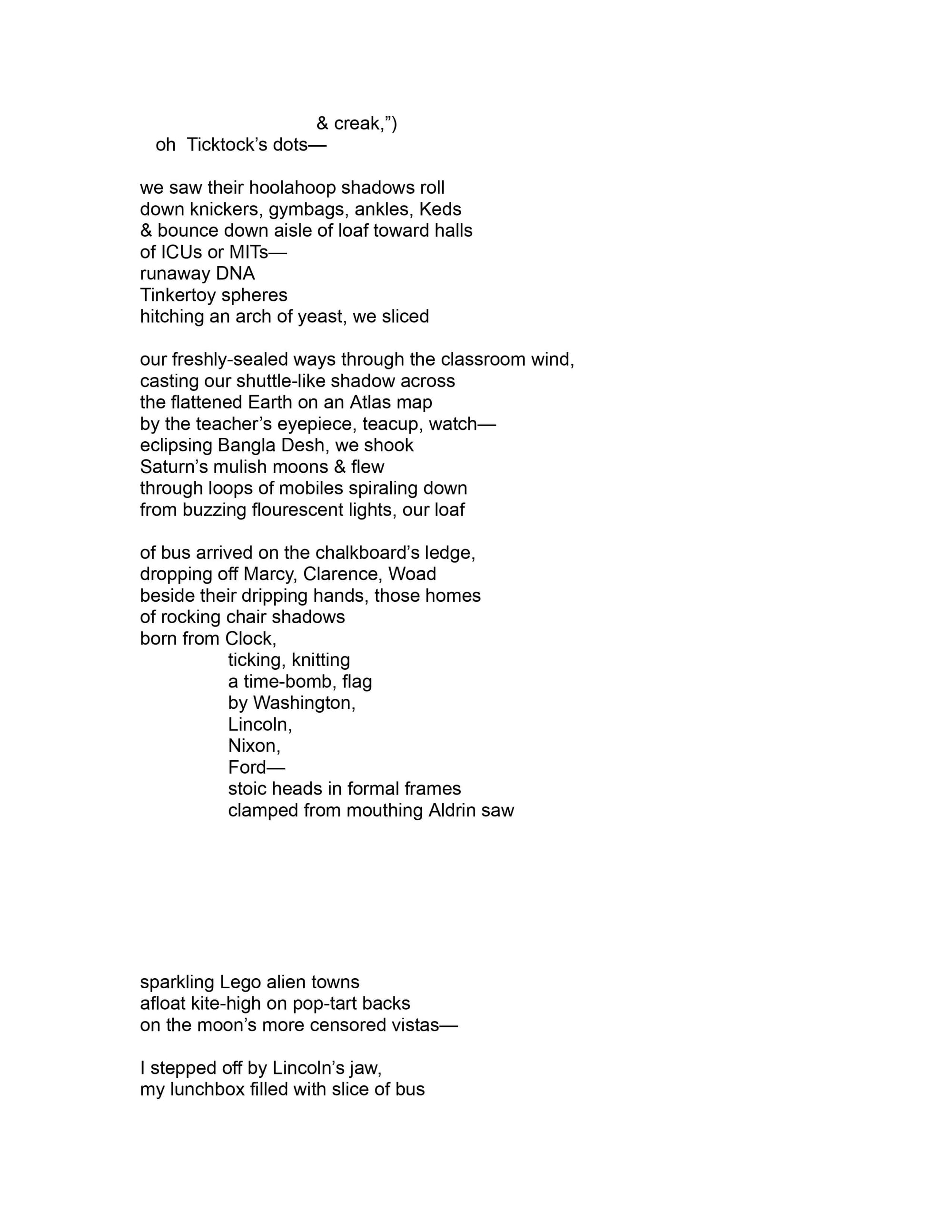
I Was Fired For Writing A Poem

First printed in the The Commons — Issue 789

8 min read
0 Comments
Read More
About Divergents image
Mission Statement:

Divergents Magazine works to accelerate the societal paradigm shift from “Individuals With Disabilities” to “Neurodiversity.”

Who We Are:

Divergents Magazine is a community of atypical writers, artists and thinkers who fearlessly share our experience and perspective without the pygmalion filter of the “disability” paradigm. The term “Neuro-Divergent” describes people whose processing profile displays significant differences from the neurotypical, such that it would receive a diagnosis — e.g., dyslexia, attention deficit hyperactivity disorder, autism -- but includes anyone who’s nature is divergent.

Why Divergents Magazine is needed:

People from families with divergent neurological characteristics are systematically subjugated to the prejudice of the neurotypical majority. Although the legal framework that drives the paradigm of disability, artificially limits the official percentage of the population to 14%, this is an arbitrary number driven by budgetary concerns with no relation to the actual percentage of the population, arguably as much as 30%. Nevertheless, each of the larger minority neurological subgroups has its own Achille’s heel with which the neurotypical community targets and marginalizes us.

People with reading disabilities are targeted for their reading speed, their lack of fluency, their spelling. With labels including Dyslexia or SLD, many individuals from this category spend their lives terrified a neurotypical will discover their reading challenges and use them as leverage for dominance.

Furthermore, people from the ADHD community are frequently targeted for their disorganization and struggles with time management. Many people in this group are charismatic and highly articulate and can pass fairly unnoticed until landing in the hyper-competition of the professional context. Many high-potential people have abandoned working in any “professional” field to avoid the constant humiliation of being reminded about their punctuality or their organization.

People within the ASD community, however, are the most likely to be targeted. When you struggle with social pragmatics or processing speed, you’re at the mercy of every fool with even a minimal level of social status. Many autie folks, often possessing superior IQ and educational attainment have given up on holding a job — and not because they can’t do the work. They refuse to endure the constant humiliation and discrimination from the neurotypical culture.

Divergents Magazine creates a community of support for divergent families.
 Divergents Staff image
Divergents Magazine  
©Divergents Publishing LTD  

Editorial Staff:
Matthew Walton - Managing Editor 
matthew.walton@divergents-magazine.org
Ben Mitchell - Publisher - 
Ben.Mitchell@divergents-magazine.org

Lindsay Wilson - Arts Editor 

art.department@divergents-magazine.org

Leon Rice - Vice President - Civil Rights Editor 
Alethia Smith - Lifestyle Editor
Mac Gander - Editor at Large


Matthew Walton  - Managing Editor 
A graduate student in social work at the University of Maine, Mathew is committed to equity and systemic change. His work is grounded in the belief that stories, especially those shaped by neurodivergent experiences, have the power to disrupt stigma and redefine what it means to belong. As an editor, he is focused on preserving the writer’s voice while helping their message land with impact.

Alethia Smith - Lifestyle Editor
A native of St. Louis, Alethia holds an Associate degree in art, a Bachelor of Arts in human services, and a Master of Arts in teaching. As well as being an Accredited event designer. Alethia worked as a residential assistant in college, where she was responsible for coordinating multiple events for hundreds of students. This is where she developed a true love for event planning. After college, she led a number of independent partnerships, focused on developing and managing promotion events. She is known for engaging her talents and ideas in fun, exciting, and unconventional ways.

Ben Mitchell, Publisher & Contributing Editor
With an MFA in Poetry from Goddard College, Ben Mitchell has published poems in more than fifty literary magazines all over the US, Canada, and the UK. Mitchell’s first book of poems, Only the Sound Itself, was published by Codhill Press in 2010. In 2012, Mitchell was one of four poets invited to read his work at the first poetry reading of Parabola Magazine.


Lindsay Wilson - Arts Editor 
A lifelong artist, this central Massachusetts native went south to Savannah, Georgia, graduating from SCAD with a BFA in Illustration. Focusing on watercolor with pen&ink, she enjoys working in other mediums, as well. However, she missed the four seasons and the mountains, eventually finding her home in Vermont. A firm believer in kindness and helping,  Lindsay has been the Vice President of SVG (Sustainable Valley Group) a non-profit based out of Bellows Falls for over 10yrs. This is also where she has a used record store, Bellows Beats, and has been sharing the gift of music with the community while trying to make the world a little less bad. We rise together.

Leon Rice, Vice President - Civil Rights Editor 
Leon was born into the Civil Rights movement: in the 1960’s, his grandfather had to move his family and career from Natchez, Mississippi to Chicago, Illinois. As a prominent member of the NAACP, he found himself next on the KKK hit-list, just after Medgar Evers. This has formed the foundation for everything that came after. Leon graduated from Landmark College as a member of Phi Theta Kappa. During his time at Landmark, he served as the VP of the campus chapter of Phi Theta Kappa and the first black male Residence Advisor. Over the years, he’s been a basketball coach, an educator, an entrepreneur, and most notably, a writer and a photographer.

Mac Gander - Editor at Large
In July of 2023 I end a 36-year career at Landmark College, a journey that took me through many roles. I spent nine years as English department chair, and then 11 years as the Vice President for Academic Affairs and Dean of the College. For seven of those years I led Student Affairs as well as Academic Affairs. Since I returned to the faculty as a full professor in 2009 I have taught courses in education, composition, creative writing, literature, journalism, media studies, and leadership. Along the way I earned an Ed.D. in Educational Leadership and Change; my 2007 doctoral dissertation was called Toward a New Paradigm for Learning Disability.
 Submissions image
Call for Submissions!

To submit your writing or art, read the relevant guidelines below:

Prose and Poetry 
We are always looking for essays, opinions, creative nonfiction, fiction, and poetry for inclusion in Divergents Magazine Online. Our content is made for, by, and about the experience of living atypically in a neurotypical world. We are especially interested in stories that celebrate neurodiversity and feature the unique ways divergent populations interact with and contribute to their communities. We love stories that raise awareness of ancillary issues neurotypicals might not have ever thought of. For example, a story about your Autism diagnosis and what that means isn't quite what we're looking for. A story about having a scary run in with the police because they aren't trained to identify or deal with people on the spectrum is.

For all submissions, the following criteria apply:

  • Submissions should be emailed to submissions@divergents-magazine.org
  • Your submission should either be attached as a Word document (.doc) or a working link to a Google Doc. 
  • While we don’t have hard limits on length, prose submissions are ideally between 2,000 and 3,000 words. Poetry should be able to fit on one page (Sorry, Dante)
  • In your submission document, include the following information at the beginning, before the body of the piece: 
    • Title
    • Your name as you’d like it to appear
    • Your email address
  • If we accept your submission, understand that we may make changes to it for issues of length, clarity, or tone. 

Visual Art Submission Guidelines

We want to see any art in any medium: paintings, drawings, collages, mosaics, sculptures, and more are all welcome.
For clarity and efficiency, we ask you to submit a list of your images (in pdf, Word or raw text in email) which should follow this format:

Artist's name:
Artist's e-mail address:
Artists Social Media links:
—then the images should be listed below in this format:
  1. number
  2. Title of piece
  3. Materials used
  4. Dimensions of the work (in inches or centimeters)
  5. Year of the works creation
We ask that you rename the image files with the artists name and the number that corresponds to the image list, this will help alleviate confusion

  • Email the images and the list of images of your work to submissions@divergents-magazine.org
  • Total size of image files should be no more than 250MB per image preferably
  • Images should be high resolution (200-300 dpi), lower resolution images just won't print clearly and we want to represent you in your best light!
  • If you have any questions you can email submissions@divergents-magazine.org 
[If you're unsure of how to best photograph your artwork, this video can help you]